As someone who’s spent over a decade working with 5 ply flute laminators—first troubleshooting them in factories, now selling them—I can tell you these machines are workhorses for corrugated packaging lines. They crank out strong, consistent boxes, keep up with high production speeds, and are way more versatile than 3 ply setups for custom, heavy-duty orders. But here’s the thing: no machine’s perfect. I’ve seen small packaging companies burn out budgets trying to push a 5 ply laminator past its limits, and big manufacturers hit snags that cost them delivery deadlines. If you’re considering adding one to your line, you need to know exactly where it falls short, not just the sales hype. 5 Ply Flute Laminator
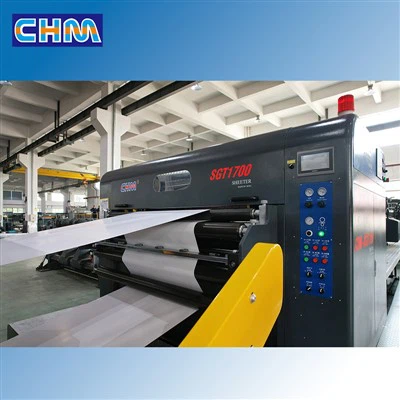
First off, let’s get what a 5 ply laminator actually does, quick—so we’re on the same page. It takes two outer linerboards, two middle corrugated medium sheets, and a central inner liner, glues them all together into one thick, rigid corrugated board. That extra layer (compared to 3 ply, which is liner + medium + liner) is why 5 ply is go-to for heavy stuff: appliance boxes, wine shippers, retail display stands that hold 50 lbs, even industrial parts crates. The laminator’s job is to bond those layers evenly, without warping, bubbling, or misalignment. But that extra layer is where most of the limitations start.
Speed is the big one I see first. Yeah, 5 ply laminators are fast—some can hit 150 meters per minute, right? But that’s for thin, standard weight linerboard and medium. If you’re running heavy-duty materials—like 400 GSM outer liners, or medium that’s 180 GSM instead of the usual 125— that speed drops fast. I’ve seen lines go from 120 m/min to 60 m/min just by switching to food-grade liner for grocery shipping boxes. Why? The machine needs time to apply enough adhesive, make sure it seeps through the extra layers, and dry properly. If you crank the speed higher to match your 3 ply line, you’ll end up with half-bonded spots, or board that starts peeling in the warehouse before it even leaves. For small to mid-sized shops that run mixed orders—some light 3 ply, some heavy 5 ply—you’re not running one line, you’re running two, or spending half a day recalibrating. That kills productivity fast.
Then there’s adhesive flexibility. 5 ply laminators are built for a specific type of glue—usually starch-based, which is cheap, non-toxic, and works great for standard corrugate. But if you need specialty glues? For example, water-resistant glues for outdoor patio furniture boxes, or hot-melt glues for quick-turn retail displays, a lot of 5 ply laminators can’t handle that without major overhauls. Starch glue is water-based, so the machines’ drying systems are calibrated to evaporate that water slowly. Hot-melt glue dries in seconds, so if you feed that through a standard setup, the glue will set before the layers even meet—leading to dead spots that fall apart. Water-resistant glues, meanwhile, have a higher solid content, so you might need different rollers or nozzle pressure to apply them evenly across five layers. I once had a customer who switched to a water-resistant adhesive for a big outdoor order, and his laminator’s glue head clogged three times a day—costing him 8 hours of downtime before he upgraded the system. Most entry-level 5 ply setups don’t come with the adjustable glue systems to handle that, so you’re stuck paying for custom modifications or a whole new machine if you branch into specialty packaging.
Alignment issues. Five layers mean five separate pieces of material to feed, line up, and glue together. Even the best laminators have a hard time keeping all five layers perfectly aligned, especially if you’re using recycled medium or liner. Recycled materials are inconsistent—thinner in spots, warped from previous use, or with uneven edges. A 3 ply machine only has two layers, so a small warp might not matter, but a 5 ply machine’s alignment sensors have to catch tiny shifts across two medium sheets and three liners. If one edge is off just 2 mm, you’ll end up with a board that’s lopsided—great for stacking, but if it’s going into a die cutter, that misalignment will make every cut off. I’ve seen companies waste 20% of their 5 ply board stock just because of alignment errors, and that’s not cheap. Also, as the machine ages, the rollers and alignment guides wear down, so those errors get worse. Most manufacturers recommend replacing alignment components every 3-5 years, which is an extra cost no one budgets for when they first buy the machine.
Size and space constraints. This is one that surprises a lot of new buyers. 5 ply laminators are big—way bigger than 3 ply. A standard entry-level model is 12 meters long, and high-speed industrial ones can hit 20 meters. If your factory floor only has space for a 10-meter line, you’re either squeezing the machine in (which makes maintenance impossible) or settling for a smaller, slower model. Also, the board output is thick—5 ply board is usually 5 mm thick, up to 10 mm for heavy-duty. That means your laminator’s cutting and stacking system has to be compatible with that thickness. A lot of older cutting machines can only handle up to 6 mm, so if you’re making 8 mm 5 ply board, you’ll need to upgrade the cutter too. I had a customer last year who bought a 5 ply laminator thinking he’d just add it to his existing line, only to find his cutter couldn’t handle the thickness—so he spent an extra $50k on a new cutter, doubling his total cost.
Maintenance complexity. Don’t get me wrong, all industrial machines need upkeep, but 5 ply laminators have more moving parts, more layers to jam, and more components that can fail. The glue heads need daily cleaning to prevent buildup, the drying chambers filter need changing every 2 weeks, and the alignment sensors need calibration every shift. If you don’t have a dedicated maintenance tech on staff, you’re going to be calling for service at least once a month. I’ve seen small packaging shops go from a 8-hour workday to 10 hours just because of unplanned downtime on their 5 ply line. Also, replacement parts are more expensive than 3 ply parts—those extra rollers, sensor components, and glue nozzles cost 30-50% more, and they’re not as easy to source. If you’re running a 24/7 line, that downtime cost adds up way faster than the machine’s initial price tag.
Material compatibility. This ties into a few earlier points, but it’s worth calling out on its own. 5 ply laminators work best with standard linerboard and medium—no weird stuff. If you’re trying to use thin (under 100 GSM) medium, the layers will wrinkle or crease, especially at high speeds. If you’re using recycled liner that has a lot of contaminants, the glue won’t bond properly. I once had a customer who tried to use a mix of 100% recycled liner and virgin medium to cut costs, and his 5 ply line had a 30% defect rate. Also, specialty materials like waxed liner or coated board—used for food packaging—can damage the rollers or leave sticky residue that’s impossible to clean. A lot of entry-level laminators aren’t built to handle these materials, so you’re limited to what you can produce, which means missing out on big food service or e-commerce packaging orders that require those materials.
Wait, let’s be clear here—this isn’t to say 5 ply laminators are bad. They’re essential for packaging that needs extra strength. But the limitations are real, and they’re not the ones the sales reps will tell you about. Most suppliers will hype the speed and strength, but not that you’ll need to adjust your line to handle heavy materials, or that maintenance costs will be higher.
If you’re thinking of adding a 5 ply laminator to your line, don’t just go for the cheapest model. Think about your order mix: do you run mostly light 3 ply, or a lot of heavy 5 ply? Do you need specialty glues for outdoor or food packaging? Do you have the space for a larger machine, and a tech to handle maintenance?

At the end of the day, the goal is to make sure your laminator fits your needs, not the other way around. If you’re weighing your options, I’m happy to walk you through how these limitations apply to your specific operation, no sales pitch—just real talk from someone who’s fixed and sold these machines for years. We can go over order volumes, material types, and even maintenance budgets to find a setup that works for you. Don’t let a 5 ply laminator become a money pit—get the facts first, and we can make it work for your business.
Automatic Flute Laminator References
- Corrugated Packaging Association. (2022). “5 Ply Corrugated Board: Production Limitations and Industry Best Practices”.
- Industrial Packaging Machinery Association. (2021). “Operational Costs and Downtime Analysis for Multi-Layer Laminators”.
- Journal of Corrugated Science and Technology. (2020). “Adhesive Compatibility in Multi-Layer Corrugated Production”.
Sheng Ding Group Limited
We’re well-known as one of the leading 5 ply flute laminator manufacturers and suppliers in China. With abundant experience, we warmly welcome you to buy advanced 5 ply flute laminator for sale here from our factory. For quotation, contact us now.
Address: FLAT E 16/F SUPERLUCK IND CTR 57 SHA TSUI RD PHASE 2 TSUEN WAN NT
E-mail: chm007@szchm.com
WebSite: https://www.packagmachine.com/
