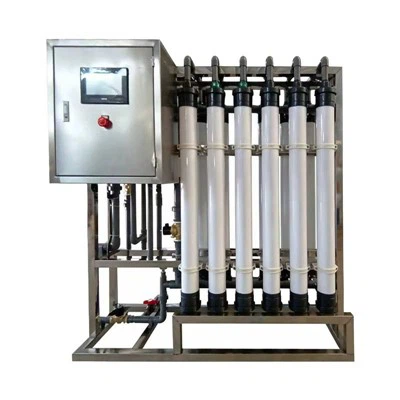
Hey there! I’m a supplier of Reverse Osmosis (RO) Water Systems, and I often get asked about how to store these systems when they’re not in use. It’s a crucial question because proper storage can significantly extend the lifespan of your RO system and ensure it’s ready to go when you need it again. So, let’s dive into the details of storing a Reverse Osmosis Water System. Reverse Osmosis Water System
Why Proper Storage Matters
First off, why should you care about storing your RO system correctly? Well, these systems are made up of various components like filters, membranes, and pumps, and they’re pretty sensitive. If you just leave your RO system sitting around without any care, you could end up with clogged filters, damaged membranes, or even a malfunctioning pump. That means more money spent on repairs or replacements, and nobody wants that!
Preparing Your RO System for Storage
Before you tuck your RO system away, there are a few steps you need to take to make sure it’s in good shape.
Flush the System
The first thing you should do is flush the system thoroughly. This helps to remove any leftover water, sediment, or contaminants that could cause problems during storage. To do this, simply turn on the water supply and let the system run for about 10 – 15 minutes. You’ll want to open all the faucets connected to the RO system to ensure that water is flowing through all the pipes and components.
Replace Filters
If your filters are due for a change, now is the time to do it. Fresh filters will prevent any buildup of bacteria or mold during storage. You don’t want to store your system with dirty filters, as they can become a breeding ground for all sorts of yucky stuff.
Shut Off the Water Supply
Once you’ve flushed the system and replaced the filters, it’s time to shut off the water supply. This will prevent any leaks or water damage while the system is in storage. Make sure to close the main valve that supplies water to the RO system.
Drain the System
After shutting off the water supply, you need to drain any remaining water from the system. This includes the storage tank, the filters, and the membrane housing. You can do this by opening the drain valves on each component and letting the water run out. It might take a little while for all the water to drain, so be patient.
Storing the Components
Now that your RO system is prepped, it’s time to think about how to store the individual components.
Filters
Filters are one of the most important parts of your RO system, and they need to be stored properly. You can store the filters in a cool, dry place. If you have extra filters, keep them in their original packaging to protect them from dust and moisture. You might also want to consider adding a desiccant packet to the storage container to absorb any excess moisture.
Membrane
The RO membrane is the heart of the system, and it’s also the most delicate component. You should store the membrane in a solution that contains a preservative. Most manufacturers recommend using a solution of sodium bisulfite or other approved preservatives. Make sure to follow the manufacturer’s instructions for preparing and using the preservative solution. Store the membrane in a sealed container to prevent it from drying out.
Pump
The pump is another critical component that needs to be stored carefully. If your pump is a submersible pump, you can leave it in a container filled with water to prevent it from drying out. For non – submersible pumps, make sure to clean them thoroughly and store them in a dry place. You might also want to lubricate any moving parts to prevent rust and corrosion.
Storage Tank
The storage tank should be cleaned and dried before storage. You can use a mild detergent to clean the inside of the tank, and then rinse it thoroughly with clean water. Once the tank is dry, you can store it in a cool, dry place. You might want to cover the tank with a plastic sheet to protect it from dust.
Choosing the Right Storage Location
The location where you store your RO system is just as important as how you prepare the components. Here are some tips for choosing the right storage spot:
Temperature
The storage area should be at a stable temperature. Extreme temperatures can damage the components of your RO system. Avoid storing the system in areas that are too hot or too cold, such as attics or basements that are prone to freezing in the winter. A temperature range of 40°F – 80°F (4°C – 27°C) is ideal.
Humidity
High humidity can cause rust, mold, and mildew to form on the components of your RO system. Choose a storage location that is dry and well – ventilated. You might want to use a dehumidifier in the storage area if the humidity is too high.
Protection from Physical Damage
Make sure the storage area is free from any potential sources of physical damage, such as heavy objects or sharp tools. You don’t want anything to accidentally fall on or hit your RO system.
Reactivating Your RO System
When you’re ready to start using your RO system again, there are a few steps you need to take to reactivate it.
Remove the Preservative Solution
If you stored the membrane in a preservative solution, you need to remove it before using the system. Flush the membrane thoroughly with clean water to remove all traces of the preservative.
Reconnect the Components
Reconnect all the components of the RO system, including the filters, the membrane, the pump, and the storage tank. Make sure all the connections are tight to prevent any leaks.
Prime the System
Before turning on the water supply, you need to prime the system. This involves filling the system with water and removing any air bubbles. You can do this by opening the faucets connected to the RO system and letting the water run until it flows smoothly.
Run a Test Cycle
Once the system is primed, run a test cycle to make sure everything is working properly. Check for any leaks, unusual noises, or changes in water quality. If you notice any problems, you might need to troubleshoot or call a professional for help.
Conclusion
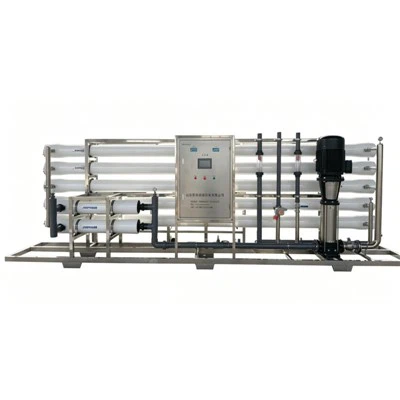
RO Purified Water Equipment Storing a Reverse Osmosis Water System when not in use is not as complicated as it might seem. By following these steps, you can ensure that your RO system stays in good condition and is ready to provide you with clean, fresh water when you need it. If you have any questions about storing your RO system or if you’re interested in purchasing a new system, don’t hesitate to reach out. We’re here to help you make the most of your RO system.
References
- Manufacturer’s manuals for Reverse Osmosis Water Systems
- Industry guidelines on water treatment system storage
Shandong Yanuo Environmental Protection Equipment Co., Ltd.
We’re well-known as one of the leading reverse osmosis water system manufacturers and suppliers in China, featured by quality products and good price. Please rest assured to buy bulk reverse osmosis water system made in China here from our factory. Customized orders are welcome.
Address: North Side of the Road, 1,000 Meters West of the Intersection of Fenghuangshan West Road and Provincial Highway S102, Wangfu Subdistrict, Qingzhou City, Weifang City, Shandong Province.
E-mail: ynhb.499973983@gmail.com
WebSite: https://www.zkyaruo.com/
