Hey there, Bright Steel Pipe
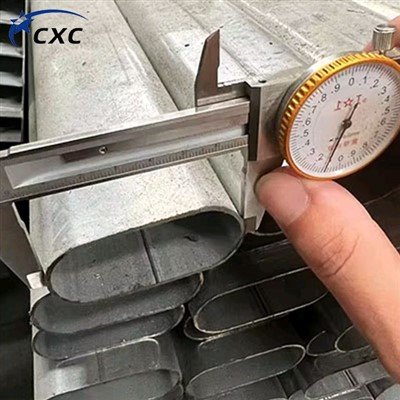
If you’re reading this, chances are you’ve got a bright steel pipe on hand—whether you’re a fabricator, a mechanic, a construction crew lead, or just someone who’s spent way too long hunting for the right size to fix a project—and you probably already know the pain of watching that shiny, almost mirror-like finish start to fade. Maybe you left a stack outside for a week, came back, and there are weird splotches of rust starting to creep in. Or maybe you wiped it down with the wrong cleaner and now it’s streaky, not the bright, smooth surface you need for a clean weld, a polished build, or whatever your next job is.
As someone who’s been supplying bright steel pipe for over 10 years—answer to no one but the guys on our loading dock who’ll argue with you about whether a #3 finish is actually better than #4 for tight corners—I’ve seen this problem more times than I can count. A lot of people think “bright steel” is just regular steel that’s been sanded and polished once, and that once it leaves the warehouse, it’s basically on its own. But nope—this stuff’s got a super specific chemistry and surface that needs actual care, not just wiping it down with a rag and some dish soap. Let me break this down, no fancy jargon, just stuff that works because I’ve tested it on our own inventory, and our clients have come back with horror stories (and then become regulars after we fixed their mess).
First, let’s get one thing straight: bright steel vs. regular black steel. If you didn’t know, black steel’s got that thick, flaky mill scale that you can chip off with a screwdriver, right? Bright steel—what we supply, is cold-drawn, so it’s pulled through dies at super cold temps to get that precise diameter and smooth, bright finish. The surface is almost 100% pure ferrite (that’s the iron part of steel, for the uninitiated), and it’s got a thin, invisible layer of chromium oxide that forms naturally—think of it like a tiny, clear raincoat that keeps rust out. But here’s the catch: that raincoat is fragile. It scratches easy, it gets stripped if you use the wrong chemicals, and if it’s exposed to moisture or salt or even just dust for too long, the iron underneath starts oxidizing. That’s the rust splotches you see. So maintaining it isn’t just about keeping it pretty—It’s about protecting that thin layer so the pipe does what it’s supposed to: hold pressure, weld clean, look good for years.
Let’s start with storage, because 90% of the issues I see start right here. Our clients who store their bright pipe right have almost no problems. The ones who stack it on the ground outside by a construction site that’s been muddy for 2 weeks? That’s where the trouble starts. So first rule: keep it off the ground. I don’t care if you use pallets, cinder blocks, or even those cheap metal racks you can get at a hardware store—don’t let it sit on dirt, concrete, or mud. Concrete leaches moisture, especially if it’s not sealed, and dirt has all sorts of gunk (sand, clay, even tiny rust particles from old nails) that will scratch the bright finish and let moisture get under. If you have to stack multiple pipes, lay them horizontally, same diameter together, and put a thin piece of cardboard between each layer if they’re going to be stored for more than a month. No cardboard? Old bed sheets work—just make sure they’re clean, no lint or dirt. Vertical stacking is a disaster because the pipes at the bottom get crushed, and moisture pools at the ends.
Also, climate matters. If you’re in a place with high humidity (hello, Southeast US, Gulf Coast, anywhere it rains a lot), you need to keep the pipe in a covered space—a shed, a garage, even a tarp that’s stretched tight, not just draped over. A loose tarp traps moisture like a plastic bag. If you have to store it outside temporarily (we get this all the time—clients pick up a load and then can’t get it to their job site for a week), wrap each pipe in a breathable plastic wrap, not the thick, non-breathable kind. The breathable ones let air circulate so moisture doesn’t get stuck. And for the love of all things bright, don’t store it near chemicals. Acid, ammonia, even some paints—those will eat through that chromium oxide layer faster than you can say “what’s this white spot?”.
Next, basic cleaning. This is where most people mess up. They grab a bucket of water and a little blue Dawn, scrub the pipe, and that’s it. But dish soap has oils and fragrances that leave a residue, and if that residue sits on the bright finish, it will trap moisture and cause rust. For regular, light dust or dirt (like if you just had it in a warehouse for a month), what works best is a simple solution of warm water and a mild, pH-neutral detergent. Not dish soap—look for something labeled “pH-neutral” (usually for washing cars or delicate surfaces). Scrub with a soft microfiber cloth, not a steel wool or a stiff brush—those will scratch the surface, which is exactly what we’re trying to avoid. Rinse it off with clean water (distilled if you can get it—tap water has minerals that leave spots), and dry it immediately with a lint-free towel. Don’t let it air dry—any water sitting on bright steel will leave water spots in minutes, and those spots can turn into rust if you don’t get rid of them.
If you’ve got a little more gunk—like oil from a forklift, or light grease from a fabrication shop—skip the detergent. Use a white spirit (mineral spirits, whatever you call it where you live) on a cloth. Rub gently, then wipe it off with a clean cloth, then rinse with water, then dry immediately. Never use bleach, ammonia, or any heavy-duty degreaser on bright steel. Those are designed for tougher surfaces, and they’ll strip that thin chromium oxide layer, leaving the iron exposed. I’ve seen a client use household bleach to clean some bright pipe that had mold on it (don’t ask why there was mold inside the warehouse)—by the time he finished wiping, the whole pipe was dull, stained, and started rusting a week later. Cost him $2,000 in pipe, just because he used the wrong cleaner.
Now, the stuff that’s not obvious: handling and minor repairs. When you move bright pipe, don’t drag it across concrete or other metal surfaces. Even a tiny scratch can break that clear oxide layer, and if moisture gets into that scratch, rust will start spreading under the surface before you even see it. Use pipe hooks, or carry two people for longer lengths, so you’re not pulling the pipe across anything. If you do get a minor scratch—say, a light scuff from dropping it onto a pallet—don’t panic. You can buff it out with a non-abrasive metal polish (like Wright’s Silver Cream, wait for it—yes, silver cream works on bright steel, I’ve tested it) on a soft cloth. Rub in circular motions, and it will bring back that bright finish, and the polish will leave a tiny protective layer to keep moisture out.
If you’ve got a spot that’s already starting to rust—those small, orange splotches—don’t wait. Act fast. First, clean the area around the rust spot with the pH-neutral detergent and water, dry it completely. Then, use a very fine-grit steel wool (0000 grade, that’s the super soft one) to gently buff the rust spot. Don’t press hard—you don’t want to make a bigger scratch. Once the rust is gone, wipe the area with white spirit to remove any metal shavings, then dry, and then apply a light coat of clear wax (carnauba wax works great here, nothing too thick). The wax will seal the area, so no moisture gets in. I’ve had clients bring in pipes with small rust spots and do this, and it’s like the rust never happened—they still look bright a year later.
Wait, what about when you’re using the pipe for welding? A lot of fabricators will tell you to just weld right on the bright finish, and that’s true, but after welding, you have to clean the weld area. The spatter and heat from welding leave residue, and if you leave that on, it can cause corrosion around the weld. After the weld is cool (super important—don’t do this while it’s hot, you’ll burn the cleaner and make a mess), use a wire brush that’s made for stainless steel (not the regular steel wire brushes—those leave tiny metal shavings that rust) or a sanding pad with a fine grit. Then wipe the area with white spirit, dry, and if it’s exposed to the elements, apply a light coat of clear wax. We always include a little tube of that wax with every bulk order, because we see so many guys forget this step and come back complaining about weld area corrosion.
Now, let’s talk about long-term maintenance for pipe that’s going to be used outdoors. If this is for a fence, a railing, or something that’s going to be outside 24/7, bright steel isn’t the best choice for the long run, I’ll be honest—even with maintenance. But if you’re set on bright steel (it looks way better than black steel for a polished fence, trust me), you need to put a protective coating on it after installation. The best stuff I’ve found is a clear, acrylic-based sealant. It’s not the thick spray paint kind—look for a flexible acrylic that won’t crack when the steel expands and contracts in temperature. Apply two coats, wait 24 hours between coats, and that will keep moisture, salt, and dirt off the surface for 2-3 years. Just make sure you re-coat every couple years, because the sealant wears off over time. And if you’re in a super salty area (like near the ocean), you might need to re-coat every year.
A quick note on salt—if you’re in an area where they salt roads in winter, or your project is near a beach, that salt is enemy #1 for bright steel. Salt breaks down that chromium oxide layer way faster than regular water. If you have pipe exposed to salt, clean it every 2 months with warm water and mild detergent, dry immediately, and re-apply the clear wax or sealant. Don’t let salt sit on the surface—even one winter can turn a bright fence into a rusty mess if you don’t clean it.
Let me debunk a few common myths, because I hear these all the time. First myth: “Bright steel doesn’t need maintenance, it’s stainless steel.” No, stainless steel has way more chromium (10%+ vs. bright steel’s 1-2%), so it’s way more resistant to corrosion. Bright steel is steel that’s been polished, not stainless. Second myth: “You can pressure wash bright steel.” Don’t do it. The high pressure can scratch the surface, and if you hold the nozzle too close, it can strip that thin oxide layer. Save pressure washing for black steel, not this stuff. Third myth: “If you see a rust spot, you’re screwed, you have to replace the whole pipe.” Nope, like I said earlier, small spots are easy to fix—just act fast, and you can save the pipe. We’ve had clients send back pipes with rust spots 6 months later, and we fix them for free sometimes, because we know how easy it is to make a mistake.
Here’s the thing: I started writing this because last week, a regular client of ours who owns a fabrication shop called me, panicking. He had a shipment of 2-inch bright pipe that he stored outside for 10 days waiting for a welding crew, and when he opened the wrap, half the stack had rust spots. I told him what to do, he fixed them, and his job was on time. That’s why I’m writing this—bright steel is a great product, it’s strong, it looks good, it’s precise, but it’s not indestructible. Taking 10 extra minutes to store it right, clean it the right way, and fix small spots fast will save you way more time and money than replacing rusted pipe.
If you’re in the market for bright steel pipe, or you have questions about a specific job—like what size is best for your fence, or how to handle a big outdoor project—hit me up. We supply all sizes, from small ½-inch pipe for small repairs to big 12-inch pipe for construction projects, and we don’t just sell it and ghost you—we give you the same tips I just wrote here, no extra charge. We don’t do pushy sales stuff, we just do good pipe and good advice, because that’s how we’ve stayed in business this long.
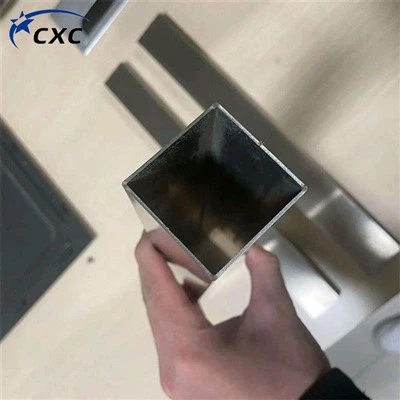
Square Steel Pipe So next time you get a bright steel pipe, don’t just stack it anywhere. Remember the storage tips, clean it right, and don’t panic if you get a small rust spot. It’s not that hard, and your pipe will look bright and work well for years.
References
- ASME B31.3 Process Piping Guide, Chapter 5: Material Selection and Protection
- American Iron and Steel Institute (AISI), Cold-Drawn Steel Tubing Properties and Maintenance Guidelines
- National Association of Plumbing, Heating, and Cooling Contractors (APHCC), Corrosion Prevention for Exposed Steel Piping
Wuxi Chengxingchuang Metal Products Co., Ltd.
As one of the most professional bright steel pipe manufacturers and suppliers in China, we’re featured by quality products and good price. Please rest assured to buy cheap bright steel pipe for sale here from our factory. Welcome to contact us for customized service.
Address: No.8-2, Zhoujia Lane, Liangxi District, Wuxi City, Jiangsu Province, China
E-mail: 13961862735@163.com
WebSite: https://www.cxcsteeltubes.com/
