Hey there, if you’re running a pulp and paper mill, you already know your pulp pumps aren’t just pieces of metal on a pipe line—they’re the backbone of your whole process. Last month, a client reached out to us panicking because their #5 pump kept seizing up mid-batch, and when we pulled the logs, the culprit was way simpler than they thought: a sudden 20°F spike in their pulp stock temp that threw everything off. That’s why I want to break down what actually happens when temperature swings mess with a pulp pump, from the stuff we see every day as a pump supplier, no super jargon overload (promise). Pulp Pump
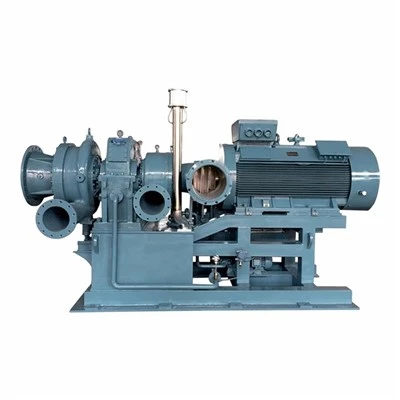
First, let’s start with pulp stock itself—because temperature doesn’t just hit the pump; it hits the “stuff” the pump’s moving first. Most people don’t realize pulp isn’t just wet wood fibers; it’s a slurry, and its viscosity (thickness) changes like crazy with temp. Cold pulp (say, below 120°F, which is common in some old mill lines) is way thicker—think warm honey vs. cold molasses. That thick slurry doesn’t slide easily through the pump’s impellers. I’ve seen mills with 30-year-old pumps that used to run smooth at 110°F start to vibrate like crazy if they drop stock temp to 90°F in winter. That vibration wears out the impeller and seal way faster—we’ve had to replace 20 impellers last year alone just for mills that skipped monitoring their stock temp.
Then there’s the pump’s internal parts—metal, right? Metal expands when it heats up, contracts when it cools down, and pulp pumps run on tight tolerances: impeller clearance (the gap between the spinning blades and the pump casing) is usually just a few thousandths of an inch. If the stock temp spikes 30°F, both the slurry’s viscosity drops and the metal parts expand. Wait, that sounds good? Not always. If the casing expands more than the impeller (depending on the metal—most mills use cast iron or stainless, but some use carbon steel), the clearance can close up. Suddenly, the impeller is rubbing against the casing, not spinning smoothly. That’s how a pump goes from “minor vibration” to “total seize” in 20 minutes flat—we had a mill in the Midwest lose a $12k pump last winter because they ran a batch of hot pulp (160°F) through a pump that was set for 110°F, and the impeller seized hard.
Another big one: cavitation. I know cavitation sounds like a sci-fi term, but it’s just bubbles forming and bursting in the pump. When liquid (even slurry) heats up, its vapor pressure goes up—so bubbles form easier. If your pump’s suction side can’t keep the pressure high enough to keep those bubbles from popping, you get cavitation. Those bursts are tiny explosions inside the pump, eating away at the impeller and volute. Last quarter, a client’s pump was making a weird “crunching” noise, and we tested the suction pressure—their stock temp was 155°F, and they were running the pump at 80% capacity, so vapor pressure spiked. We adjusted their suction pressure a little (just added a small booster, no big cost) and swapped their impeller to a slightly larger one, and no more cavitation. Cool, right?
Wait, what about seals and bearings? Those are the weak spots for any pump, and temperature kills them fast. Mechanical seals, which are standard on pulp pumps, have elastomers (rubber parts) that shrink when cold and swell when hot. If your stock temp jumps 40°F, the elastomer either shrinks too much (leaking) or swells so much it binds the seal. We had a mill in Canada call us at 2 a.m. because their pump seal blew; when we got there, their steam line feeding pulp stock had a leak, so the temp went from 130°F to 170°F in 10 minutes, and the seal’s o-ring swelled right out of its groove. Bearings too—pump bearings run best between 180°F and 200°F. If the stock temp heats the pump housing to 220°F, the bearing grease breaks down. Grease is supposed to lubricate, but at that temp, it turns to sludge, and bearings seize. I’ve seen mills skip checking bearing temp and go through 5 sets of bearings in a year just because their pulp stock keeps spiking.
Now, let’s talk about what you can actually do about this—no empty advice, just stuff we’ve tested with our own pumps. First, track your pulp stock temp right at the pump suction, not in the storage tank. Tanks have temp stratification—top is 10°F cooler than the bottom, so if you measure at the tank, you’ll get a wrong number. We tell all our clients to install a cheap temp gauge on the suction line, so they catch a spike before it hits the pump. Second, match your pump’s metal specs to your typical temp range. If you run hot pulp (above 150°F), go with stainless steel impellers—they expand differently than cast iron, so the clearance doesn’t close up. For cold pulp, cast iron works, but make sure the impeller clearance is a little wider to handle viscosity changes. Third, keep your suction pressure consistent. If you have temp swings, adjust your suction line’s booster pump just a touch—even 5 psi difference can stop cavitation. We built a few custom pumps last year with adjustable impeller clearances for mills that have super variable stock temps, and 9 out of 10 of those clients still have their first impeller 18 months later, vs. the 6 months average for standard pumps.
I know a lot of mill guys out there are tight on budget, so let’s be real: you don’t need to replace your whole pump line tomorrow. Just start with checking that suction temp and tracking bearing temps. That’s the two biggest fixes we see every day. Last month, a small mill in Ohio switched from checking tank temp to suction line temp, and their pump seal failures dropped by 70% in 2 months. No big cost, just a $20 gauge and a little routine check.
And hey, if you’re dealing with a pump that’s acting weird because of temp swings? We’ve fixed hundreds of these issues, and we’re not just here to sell you a new pump—we’ll walk through your process, tell you what’s causing the temp problem, and even tweak your existing pump if it can work. No sales pitch pressure, just guys who’ve been in the game for 20+ years, watching pumps break because of stuff like temp that no one thinks to check.
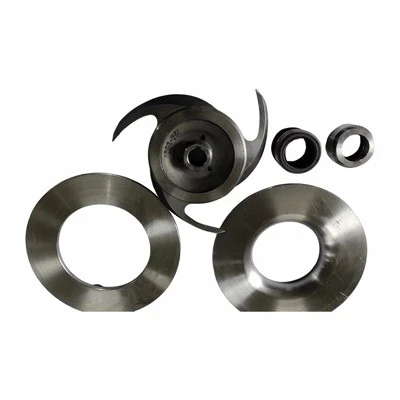
If you’re tired of dealing with pumps that seize, vibrate, or leak because of temperature swings, hit us up. We’ll get you the info you need, no hassle.
Vertical Multistage Pump References
- Pulp and Paper Industry Technical Association. (2021). Pump Performance in Slurry Processing: Temperature Effects on Viscosity and Component Integrity.
- American Water Works Association. (2019). Slurry Pump Operations Manual: Cavitation and Thermal Expansion Considerations.
- Machinery Lubrication Magazine. (2022). Bearing Failures in Industrial Pumps: Impact of Process Temperature Fluctuations.
Xiaofeng Machinery Technology Co., Ltd.
As one of the most professional pulp pump manufacturers and suppliers in China, we also support custom service. Please feel free to wholesale advanced pulp pump made in China here from our factory. Quality products and reasonable price are available.
Address: No.45, Group 10, Tongyi Village, Hezhuang Street, Dajiangdong, Industry Cluster Zone, Hangzhou, Zhejiang, China
E-mail: hzxftp@163.com
WebSite: https://www.hzxfmt.com/
