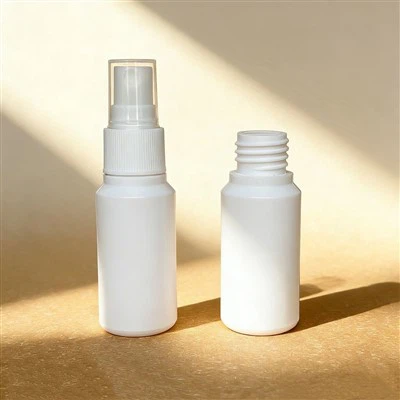
As a supplier of PE (Polyethylene) bottles, I often encounter questions from customers about the reusability of these containers. This topic is not only relevant to our business but also has significant implications for environmental sustainability and consumer health. In this blog post, I will delve into the science behind PE bottles, explore the factors affecting their reusability, and provide practical guidance on whether and how they can be reused. PE Bottle
Understanding PE Bottles
PE is a widely used plastic polymer known for its versatility, durability, and low cost. It is classified into different types based on its density, with High – Density Polyethylene (HDPE) and Low – Density Polyethylene (LDPE) being the most common. HDPE bottles are rigid and are often used for products like milk jugs, detergent containers, and some food packaging. LDPE, on the other hand, is more flexible and is used for items such as squeeze bottles and plastic bags.
The properties of PE make it an ideal material for bottle manufacturing. It is resistant to moisture, chemicals, and impact, which helps to protect the contents of the bottle. However, these same properties also raise questions about its reusability.
Factors Affecting the Reusability of PE Bottles
Hygiene and Safety
One of the primary concerns when considering reusing PE bottles is maintaining proper hygiene. Over time, bacteria and other microorganisms can accumulate inside the bottle, especially if it is used to store liquids. For example, if a PE bottle is used to store water and is not cleaned regularly, it can become a breeding ground for bacteria like E. coli and Pseudomonas aeruginosa, which can cause health problems if ingested.
To ensure safety when reusing PE bottles, it is essential to clean them thoroughly. This can be done by washing the bottle with hot, soapy water and rinsing it well. For a more thorough clean, a solution of one part vinegar to three parts water can be used to sanitize the bottle. It is also important to dry the bottle completely before refilling it to prevent the growth of mold.
Chemical Leaching
Another factor to consider is the potential for chemical leaching. While PE is generally considered a safe plastic, under certain conditions, it can release chemicals into the contents of the bottle. For instance, exposure to high temperatures can cause the plastic to break down and release small amounts of chemicals. If a PE bottle is left in a hot car or used to store hot liquids, there is a risk of chemical leaching.
It is important to note that the risk of chemical leaching from PE bottles is relatively low compared to some other plastics. However, to minimize this risk, it is advisable to avoid using PE bottles to store hot liquids and to keep them away from direct sunlight and high – temperature environments.
Physical Degradation
Repeated use and handling can cause physical degradation of PE bottles. Scratches and cracks on the surface of the bottle can weaken its structure and provide hiding places for bacteria. Over time, the plastic may also become brittle, especially if it has been exposed to harsh chemicals or extreme temperatures.
When a bottle shows signs of physical degradation, such as visible cracks or a change in its shape, it is no longer suitable for reuse. Continuing to use a degraded bottle can pose a safety risk, as it may leak or break, potentially causing injury or contamination of the contents.
Can PE Bottles Be Reused?
The answer is yes, in many cases, PE bottles can be reused, but with certain limitations and precautions.
Suitability for Reuse
PE bottles that are used to store non – perishable food items or beverages are generally more suitable for reuse. For example, a HDPE milk jug can be cleaned and used to store water, homemade juices, or other non – hot liquids. LDPE squeeze bottles can be reused to store homemade cleaning solutions or personal care products.
However, bottles that have been used to store hazardous chemicals, such as pesticides or solvents, should never be reused, as there is a high risk of chemical residue remaining in the bottle, which can be extremely dangerous if the bottle is then used to store food or beverages.
Best Practices for Reuse
- Cleaning: As mentioned earlier, thorough cleaning is crucial. After each use, the bottle should be washed with hot, soapy water, and sanitized regularly.
- Storage: Store the reused bottles in a cool, dry place away from direct sunlight. This helps to prevent physical degradation and chemical leaching.
- Inspection: Before each reuse, inspect the bottle for signs of damage, such as cracks or scratches. If any damage is found, the bottle should be discarded.
Environmental Benefits of Reusing PE Bottles
Reusing PE bottles can have significant environmental benefits. The production of new plastic bottles requires a large amount of energy and resources, including petroleum. By reusing existing bottles, we can reduce the demand for new plastic production, which in turn helps to conserve natural resources and reduce greenhouse gas emissions.
In addition, reusing bottles reduces the amount of plastic waste that ends up in landfills and the environment. Plastic waste can take hundreds of years to decompose, and it often poses a threat to wildlife and ecosystems. By reusing PE bottles, we can contribute to a more sustainable future.
Guidance for Customers
If you are considering reusing PE bottles, I encourage you to follow the best practices outlined above. As a supplier, we are committed to providing you with high – quality PE bottles that are suitable for reuse. Our bottles are made from food – grade PE, which meets strict safety standards.
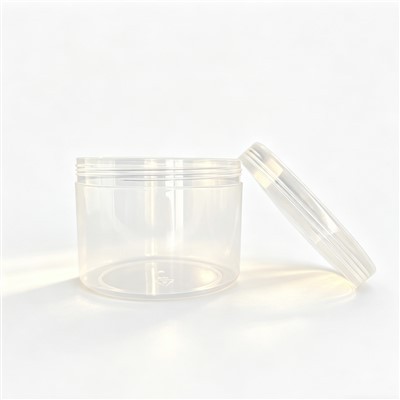
If you have any questions about the reusability of our products or need further guidance on cleaning and maintenance, please do not hesitate to reach out. We are here to support you in making the most of our PE bottles while ensuring your safety and the well – being of the environment.
PE Bottle Whether you are a business looking for sustainable packaging solutions or an individual interested in reducing your environmental impact, we can offer you the right PE bottles for your needs. Contact us to start a procurement discussion and let’s work together to find the best PE bottle options for you.
References
- "Polyethylene: Properties, Applications, and Production". Polymer Science Handbook.
- "Food – Grade Plastics: Safety and Regulations". Journal of Food Science and Technology.
- "The Environmental Impact of Plastic Packaging". Environmental Science Reviews.
Taizhou Fuyan Trading Co., Ltd.
As one of the most professional pe bottle manufacturers and suppliers in China, we’re featured by quality products and good service. Please rest assured to wholesale bulk pe bottle in stock here from our factory. Customized orders are welcome.
Address: Lupu Small and Micro Industrial Park, Lupu, Yuhuan City, Zhejiang Province
E-mail: taizhoufuyan@outlook.com
WebSite: https://www.fuyantrading.com/
