Hey there! I’m a supplier of Automated Guided Vehicles (AGVs), and I often get asked how to make sure these nifty machines play nice with existing equipment. It’s a crucial question, especially for businesses looking to upgrade their operations without a complete overhaul. So, let’s dive into some practical ways to ensure compatibility. Automated Guided Vehicle
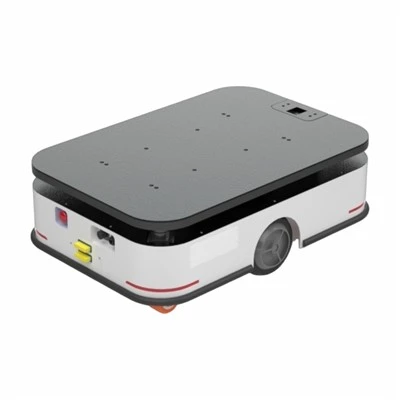
Understanding Your Existing Equipment
First things first, you need to have a solid grasp of what you’ve already got. Take a good look at your current machinery, conveyor belts, storage systems, and any other equipment that the AGV will interact with. Note down their specifications, such as size, weight capacity, operating speed, and communication protocols.
For example, if you’ve got a conveyor belt that moves at a certain speed, you need to make sure the AGV can match that pace. If it’s too slow, it’ll cause a bottleneck; if it’s too fast, it could lead to collisions. Also, check the weight capacity. You don’t want an AGV trying to carry a load that’s way beyond what your conveyor can handle.
Another important aspect is the communication protocol. Some older equipment might use proprietary systems, while newer ones could rely on more standard protocols like Ethernet/IP or Profibus. Knowing this will help you figure out how the AGV can talk to the existing equipment.
Assessing AGV Capabilities
Once you know what you’re working with on the existing side, it’s time to look at the AGV’s capabilities. Different AGVs come with various features and functions, so you need to pick one that can integrate smoothly.
Consider the AGV’s load capacity, size, and maneuverability. It should be able to fit into the existing layout of your facility and handle the types of loads you typically deal with. For instance, if you have narrow aisles in your warehouse, you’ll need an AGV that’s compact and can make tight turns.
The AGV’s navigation system is also crucial. There are different types, such as laser-guided, vision-guided, and magnetic tape-guided. You need to choose one that’s compatible with your facility’s environment and the existing equipment. For example, if you have a lot of reflective surfaces, a laser-guided system might not work well.
Physical Compatibility
Physical compatibility is all about making sure the AGV can physically interact with the existing equipment. This includes things like docking mechanisms, height adjustments, and load transfer.
Let’s start with docking. The AGV needs to be able to dock securely with the conveyor belts, storage racks, or other equipment. You might need to install docking stations or modify the existing equipment to ensure a proper fit. For example, you could add alignment guides or sensors to help the AGV position itself correctly.
Height adjustment is another important factor. The AGV should be able to adjust its height to match the height of the equipment it’s interacting with. This ensures smooth load transfer and reduces the risk of damage. Some AGVs come with adjustable forks or platforms, which can be very useful in this regard.
Load transfer is the final piece of the physical compatibility puzzle. The AGV needs to be able to pick up and drop off loads safely and efficiently. You might need to use special grippers or attachments to handle different types of loads. For example, if you’re dealing with pallets, you’ll need a pallet fork attachment.
Communication and Control Compatibility
In today’s digital age, communication and control compatibility are just as important as physical compatibility. The AGV needs to be able to communicate with the existing equipment and be controlled by your existing systems.
As mentioned earlier, you need to ensure that the AGV uses a communication protocol that’s compatible with your existing equipment. This might involve using a gateway or a translator to bridge the gap between different protocols. For example, if your AGV uses Ethernet/IP and your existing equipment uses Profibus, you can use a protocol converter to make them talk to each other.
You also need to consider the control system. The AGV should be able to integrate with your existing warehouse management system (WMS) or manufacturing execution system (MES). This allows you to manage the AGV’s operations along with the rest of your equipment from a single interface. You can schedule tasks, monitor performance, and make adjustments as needed.
Testing and Validation
Once you’ve made all the necessary adjustments and integrations, it’s time to test and validate the compatibility. This involves running a series of tests to make sure everything works as expected.
Start with some basic tests, such as moving the AGV around the facility and checking its navigation. Make sure it can avoid obstacles and follow the designated paths. Then, test the docking and load transfer functions. Try loading and unloading different types of loads at different locations and see how the AGV performs.
Next, test the communication and control systems. Make sure the AGV can receive commands from the WMS or MES and send back status updates. Check for any errors or delays in the communication.
Finally, run some real-world scenarios to simulate normal operations. For example, you can set up a production line and see how the AGV interacts with the other equipment. Monitor the performance and look for any issues that might arise.
Training and Support
Even if the AGV is fully compatible with your existing equipment, your employees need to know how to use it properly. That’s why training is essential.
Provide comprehensive training to your employees on how to operate the AGV, how to troubleshoot common issues, and how to maintain the equipment. This will help ensure a smooth transition and minimize downtime.
In addition to training, you also need to provide ongoing support. Make sure you have a team of experts who can answer questions, provide technical assistance, and perform maintenance and repairs as needed. This will help keep your AGV running smoothly and your operations efficient.
Wrapping It Up
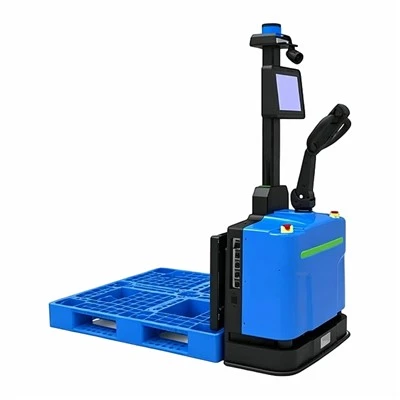
Ensuring the compatibility of an Automated Guided Vehicle with existing equipment is a complex process, but it’s definitely doable. By understanding your existing equipment, assessing the AGV’s capabilities, ensuring physical and communication compatibility, testing and validating the system, and providing training and support, you can make sure the AGV integrates seamlessly into your operations.
Autonomous Mobile Robot If you’re interested in learning more about how our AGVs can be customized to fit your existing equipment and operations, don’t hesitate to reach out. We’d love to have a chat and see how we can help you take your business to the next level.
References
- "Automated Guided Vehicle Systems: Technologies, Implementation, and Management" by John R. Borne
- "Warehouse Automation: A Guide to Optimizing Warehouse Operations" by Robert J. Bowersox
Shenzhen Ginnee Intelligent Warehousing Robotics Co., Ltd.
As one of the most professional automated guided vehicle suppliers in China, we’re featured by quality products and low price. Please rest assured to wholesale durable automated guided vehicle in stock here and get quotation from our factory. We also accept customized orders.
Address: Room101, No.162 JunXin Road, Niuhu Community, Guanlan Strect, Longhua District, Shenzhen, Guangdong Province, China.
E-mail: huangyongmei@szginnee.com
WebSite: https://www.ginneerobotics.com/
