Hey there! I’m a supplier of PU Stone, and I often get asked about how its carbon footprint stacks up against other materials. So, I thought I’d dive into this topic in today’s blog post. PU Stone
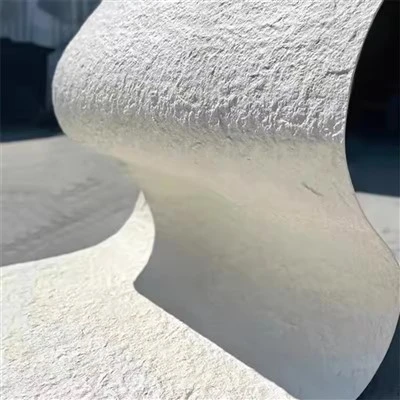
Let’s first talk about what a carbon footprint is. Simply put, it’s the amount of greenhouse gases, mainly carbon dioxide, released into the atmosphere because of the activities of a particular product, service, or person. When it comes to building materials, the carbon footprint includes everything from raw material extraction, manufacturing, transportation, installation, and even disposal at the end of its life.
Now, let’s start with PU Stone. PU, or polyurethane, is a synthetic material. The production of PU Stone involves mixing polyurethane resin with other additives and then molding it into various stone – like shapes. One of the big advantages of PU Stone is that it’s lightweight. This means less energy is needed for transportation compared to heavier materials like natural stone. When you’re shipping a ton of natural stone, you need a big, heavy – duty vehicle that guzzles a lot of fuel. In contrast, PU Stone can be transported in smaller trucks, which use less fuel and thus emit fewer greenhouse gases.
Another aspect is the manufacturing process. The production of natural stone involves quarrying, which is an extremely energy – intensive process. You’ve got to use heavy machinery to extract the stone from the ground, cut it into the right size, and then polish it. This machinery runs on fossil fuels, and the whole operation releases a significant amount of carbon dioxide. On the other hand, the manufacturing of PU Stone doesn’t require such large – scale, energy – hungry operations. The molding process can be relatively energy – efficient, especially when modern manufacturing techniques are used.
Let’s compare it to concrete. Concrete is one of the most widely used building materials in the world. However, the production of cement, which is a key component of concrete, is a major contributor to global carbon emissions. The chemical process of making cement involves heating limestone and other materials at extremely high temperatures, and this releases a large amount of carbon dioxide. Plus, concrete is heavy, so transporting it also adds to its carbon footprint. PU Stone, as I mentioned earlier, is lighter and has a less carbon – intensive production method, so in comparison, it has a lower carbon footprint.
Brick is another popular building material. The production of bricks involves firing clay in kilns, which requires a lot of energy. And like concrete and natural stone, bricks are heavy, so getting them from the factory to the construction site burns a lot of fuel. PU Stone doesn’t have these issues. Its lightweight nature and less energy – intensive production process give it an edge in terms of its carbon footprint.
But it’s not all sunshine and rainbows for PU Stone. It is a synthetic material, and the raw materials for polyurethane production, such as polyols and isocyanates, come from petrochemicals. The extraction and processing of these petrochemicals also have their own carbon footprint. However, the industry is constantly evolving, and there are now bio – based alternatives for some of these raw materials. Using bio – based polyols can significantly reduce the carbon intensity of PU Stone production.
When it comes to the end – of – life stage, natural stone can be recycled in some cases, but it’s often difficult and costly. Concrete can also be recycled, but it still requires energy to crush and process it. Brick recycling is also possible but has its challenges. PU Stone can potentially be recycled as well, although the technology for large – scale recycling is still in its early stages. But compared to these other materials, its lighter weight means less energy is needed just to move it around for potential recycling efforts.
In terms of durability, PU Stone can last a long time if properly maintained. A long – lasting product means less frequent replacement, which in turn reduces the overall carbon footprint over the lifespan of a building. For example, if a natural stone facade gets damaged and needs to be replaced every few decades, the cumulative carbon emissions from extraction, production, and transportation over multiple replacements can be quite high. With a well – made PU Stone facade, you might not have to worry about replacement as often, thus saving on carbon emissions.
So, in conclusion, when we consider the whole life cycle of PU Stone, from production to disposal, it generally has a lower carbon footprint compared to many traditional building materials like natural stone, concrete, and brick. Of course, there’s always room for improvement, especially in terms of using more sustainable raw materials and developing better recycling methods.
If you’re in the market for building materials and are concerned about the environment, I’d highly recommend giving PU Stone a serious look. It offers a great combination of aesthetic appeal (it looks just like real stone!), lightweight construction benefits, and a relatively low carbon footprint.
If you’re interested in learning more or would like to discuss potential purchases, don’t hesitate to reach out. We’re here to answer all your questions and work with you to find the best solutions for your projects. Whether you’re an architect, a contractor, or a DIY enthusiast, we’ve got the PU Stone products that will meet your needs. Let’s work together to build a more sustainable future!
Other Wall Panels References
- "Building Materials and the Environment: A Life – Cycle Assessment Approach" by Raj P. Gupta
- "The Green Book of Building and Construction: A Compendium of Environmental Data" by Brenda and Robert Vale
- "Life – Cycle Assessment of Concrete Products: Literature Review" by the Portland Cement Association
Shandong Dowell Decorative Material Co., Ltd.
With abundant experience, we are one of the most professional pu stone manufacturers and suppliers in China. We warmly welcome you to wholesale premium pu stone at competitive price from our factory. If you have any enquiry about cooperation, please feel free to email us.
Address: Room 913, 9th Floor, International Trade Service Center, No. 100 Lingong Road, Comprehensive Bonded Zone, Chaoyang Street, Yihe New District, Linyi City, Shandong PR, China
E-mail: info@dowellpanel.com
WebSite: https://www.dowellspcfloor.com/
