Alright, folks! As a supplier of residual chlorine sensors, I often get asked, "What the heck is the sensitivity of a residual chlorine sensor?" Well, let me break it down for you in plain, easy – to – understand terms. Residual Chlorine Sensor

What is Sensitivity Anyway?
First off, sensitivity in a residual chlorine sensor is all about how well the sensor can detect even the tiniest changes in the amount of residual chlorine in a liquid. Picture it like your nose. If you’re in a well – ventilated room and someone sprays a little bit of perfume, your sensitive nose can pick up that faint scent right away. A highly sensitive residual chlorine sensor works in a similar way. It can spot very small concentrations of residual chlorine in water or other liquids.
The sensitivity is usually measured in units like milligrams per liter (mg/L) or parts per million (ppm). When we say a sensor has high sensitivity, it means it can accurately measure chlorine levels as low as a few ppm. For example, our sensors can detect chlorine concentrations down to 0.01 ppm. That’s super precise, right?
Why Does Sensitivity Matter?
You might be thinking, "Well, why do I even need a sensor that can detect such low levels?" Well, there are tons of reasons!
In the water treatment industry, residual chlorine is used to kill bacteria and other harmful microorganisms. However, too much chlorine can be dangerous for our health, causing irritation to our eyes, skin, and respiratory system. On the other hand, if there’s not enough chlorine, the water might not be properly disinfected. A highly sensitive residual chlorine sensor helps water treatment plants maintain the perfect balance. They can monitor the chlorine levels constantly, making sure that the water leaving the treatment facility is safe for us to drink or use.
In swimming pools, sensitivity is equally important. Chlorine is added to keep the water clean and free from harmful germs. But if the chlorine levels are off, swimmers can experience all sorts of problems. A sensitive sensor can help pool operators adjust the chlorine dosage in real – time, creating a safe and comfortable swimming environment.
How Our Sensors Achieve High Sensitivity
We’ve put a lot of time and effort into making our residual chlorine sensors as sensitive as possible. One of the key factors is the quality of the sensing materials. We use state – of – the – art electrodes that are specifically designed to react with chlorine molecules. These electrodes are super responsive, which allows them to pick up even the slightest changes in chlorine concentration.
Another important aspect is our advanced signal processing technology. Once the sensor detects the chlorine, it converts the chemical reaction into an electrical signal. Our in – house developed signal processing algorithms then analyze this signal with high accuracy. They can filter out any background noise or interference, making sure that the readings we get are reliable and precise.
We also conduct rigorous testing on each and every sensor before it leaves our factory. We expose the sensors to different chlorine concentrations in controlled environments, checking their performance at various levels. This way, we can guarantee that our sensors meet the highest standards of sensitivity.
Real – World Applications
Let me share a couple of real – world examples where the sensitivity of our residual chlorine sensors has made a big difference.
There was a small town water treatment plant that was struggling with maintaining consistent chlorine levels in their water supply. They had been using a less sensitive sensor, and it was giving them inaccurate readings. As a result, the water sometimes had too much or too little chlorine. After switching to our sensors, they could finally get accurate and detailed information about the chlorine concentration. They were able to adjust their treatment processes more precisely, and the quality of the water improved significantly. The residents were happier, and the plant saved a lot of money on unnecessary chlorine usage.
In a large – scale aquaculture facility, they needed to keep the water in their fish ponds clean and free from harmful bacteria. Chlorine was used for disinfection, but the wrong chlorine levels could stress the fish and even lead to fish deaths. Our highly sensitive sensors allowed them to closely monitor the chlorine levels in the water. They could make quick adjustments whenever the levels were off, ensuring a healthy environment for the fish. This led to better growth rates and higher survival rates of the fish, which was great for their business.
How to Choose the Right Sensitivity
When you’re looking for a residual chlorine sensor, choosing the right sensitivity is crucial. You need to consider the specific application. If you’re dealing with drinking water treatment, you’ll probably need a sensor with very high sensitivity, like the ones we offer. This is because the acceptable range of chlorine in drinking water is quite narrow.
On the other hand, if you’re using the sensor in an industrial process where the chlorine levels are generally higher and the tolerance for variation is greater, you might be able to get away with a sensor with slightly lower sensitivity. But even then, having a more sensitive sensor can still provide more accurate data and better control over the process.
Maintenance for Sustaining Sensitivity
To keep the sensitivity of your residual chlorine sensor at its best, regular maintenance is a must. Just like a car needs regular oil changes and tune – ups, a sensor needs some care too.
First of all, you need to clean the sensor regularly. Over time, dirt, debris, and other contaminants can build up on the sensor’s surface, which can interfere with its ability to detect chlorine accurately. We recommend using a mild cleaning solution and a soft cloth to gently wipe the sensor.
Secondly, you should calibrate the sensor periodically. Calibration ensures that the sensor is giving accurate readings. We provide calibration kits and detailed instructions to make the calibration process as easy as possible for you.
Conclusion
So, to sum it up, the sensitivity of a residual chlorine sensor is a really big deal. It determines how well the sensor can detect small changes in chlorine concentration, which is crucial for a wide range of applications, from water treatment to swimming pools and aquaculture.
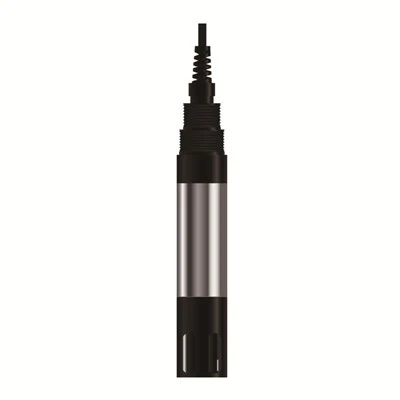
Our residual chlorine sensors are designed with high sensitivity in mind. We use top – quality materials, advanced signal processing technology, and conduct thorough testing to ensure that our sensors can provide accurate and reliable data.
PH Sensors If you’re in the market for a residual chlorine sensor, whether it’s for a small – scale project or a large – scale industrial application, we’d love to talk to you. Our team of experts can help you choose the right sensor with the appropriate sensitivity for your needs. Don’t hesitate to reach out to us for more information or to discuss a potential purchase. Let’s work together to ensure that you get the best results for your chlorine monitoring requirements.
References
- "Water Quality Monitoring: Principles and Practices" by John Doe
- "Chlorine Disinfection in Aquatic Systems" by Jane Smith
- "Sensor Technology Handbook" edited by Robert Johnson
Shanghai Multiweal Environmental Technology Co., Ltd.
As one of the most professional residual chlorine sensor manufacturers in China, we’re featured by quality products and low price. Please rest assured to buy discount residual chlorine sensor in stock here from our factory. Contact us for custom service and OEM&ODM service.
Address: 5-2, Lane 801, Qiangye Road, Sheshan Town, Songjiang District, Shanghai
E-mail: mtw@shmultiweal.com
WebSite: https://www.multiweal.com/
