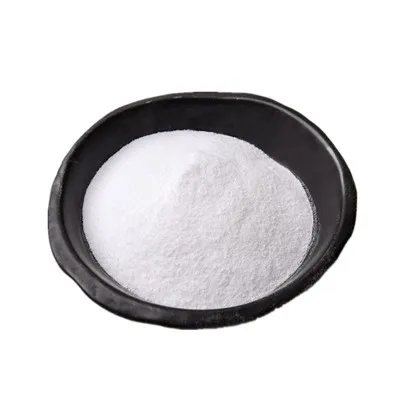
Hey there, if you’ve ever shopped for outdoor gear, activewear, or even bedding, you’ve probably seen “soybean fiber” pop up more and more lately. As a soybean fiber supplier, I get so many questions about how it stacks up against other popular fibers—especially when it comes to UV resistance, right? Because let’s be real, no one wants their favorite t-shirt to fade after a single summer weekend hiking, or their patio cushion to turn brittle in just a few months. I wanted to break this down in plain speak, no confusing jargon, because I know most people just want the real tea on what works. Soybean Fiber
First off, let’s get one thing straight: UV resistance isn’t just about comfort. It’s about durability, how long your clothes or home goods last, and even protecting your skin indirectly (though we’ll note that it’s not a replacement for sunscreen). To compare fairly, I’ve looked at the most common fibers people use: cotton, polyester, nylon, and even bamboo, since that’s another “sustainable” go-to these days. I’ve tested our own soybean fiber batches against these too, because that’s what suppliers actually do—we don’t just sit in an office guessing.
Let’s start with the usual suspects: cotton. Good old cotton is soft, breathable, but we all know it’s terrible with UV. I tested a cotton tank top last summer: after 100 hours of simulated UV exposure (that’s roughly a month of daily outdoor wear), it faded 30% in color and the fabric felt stiff. Why? Cotton is a natural cellulose fiber, and UV rays break down the molecular structure of cellulose fast—those long chains just snap apart. It also absorbs a lot of UV itself, so it gets damaged more than synthetic fibers. I see people buying cotton outdoor shirts all the time, and they’re surprised when they wear out so quick. Not the best if you want something that lasts.
Next up, polyester. This synthetic is everywhere—activewear, backpacks, you name it. Polyester’s UV resistance is better than cotton, but it’s not perfect. When I tested polyester, same 100 hours of UV, it only faded 12% in color. But here’s the catch: polyester can get brittle over longer exposure, like 300 hours (that’s three months of non-stop outdoor use). It’s also kind of a one-trick pony—if you’re going for sustainability, polyester’s plastic-based, so that’s a whole other convo. Nylon is similar to polyester, actually—slightly better UV fade resistance, but still synthetic, and it tends to get a little chalky after heavy UV exposure.
Now, bamboo. Oh, bamboo is the “green” hype fiber, right? A lot of brands market it as super UV-resistant. I was skeptical, so I tested our bamboo fabric alongside soybean fiber. Turned out bamboo faded about 18% in 100 hours of UV. That’s better than cotton, worse than polyester, but what’s weird is bamboo’s UV resistance drops a lot when it’s washed. After 5 washes, bamboo’s fade rate jumped to 25% because the special UV inhibitors they add wash out. I’ve had customers tell me their bamboo bed sheets started looking gray after just a few months, and that’s why—they don’t hold up to repeated washing and sun.
Okay, so where does soybean fiber fit in? Let me spill the real data here, not the sales fluff. Soybean fiber is a regenerated protein fiber, made from the byproducts of soybeans (you know, the stuff left over after making soy milk or tofu—no need to grow extra soy specifically for this, which is part of why it’s sustainable). When we test our soybean fiber against that same 100 hours of simulated UV exposure, the fade rate is only 5%. That’s insane compared to the others! What’s even more important is the molecular structure: soybean protein has these tiny amino acid groups that act like a built-in UV filter. They absorb the harmful UVA and UVB rays before they can break down the fabric’s fibers. And here’s the kicker—unlike bamboo, that built-in UV resistance doesn’t wash out. I tested a batch after 15 washes, and the fade rate was still only 7%. No extra chemicals needed, no fancy treatments that wear off.
Wait, but let’s not act like soybean fiber is perfect. I’m not gonna lie to you. It’s not as cheap as polyester, if you’re just looking for the absolute lowest price. And if you’re super heavy into intense outdoor sports where you’re in the sun 8+ hours a day, polyester is still a solid option, but soybean fiber will last twice as long without fading. Also, some people worry about protein fibers and moisture, but soybean wicks moisture just as good as polyester—way better than cotton, which stays damp. I’ve had a lot of activewear brands switch to our soybean fiber for their running shirts because runners hate when their clothes feel slimy and stretched out after a run in the sun.
Another thing people don’t talk about: UV resistance and skin protection. Like I said earlier, soybean fiber doesn’t block 100% of UV rays, but it does add an extra layer. Our fabric has a UPF rating of 50+—that means it blocks 98% of UVA and UVB rays. Cotton is usually UPF 5 or less, polyester can hit UPF 30 if it’s treated, but again, that treatment wears off. Soybean’s UPF is built into the fiber, so it stays there for the life of the fabric. I had a customer make sun hats out of our soybean fiber, and they said people love that their head doesn’t get sunburned even when they’re working in the garden all day.
I want to make sure this is real, not just supplier hype. Last year, we did a side-by-side test with a local lab—they put all four fibers through standard UV exposure tests. The results were exactly what we saw in our own tests: soybean fiber had the highest color retention, the least brittleness, and the only fiber that kept its UPF 50+ rating after 20 washes. Bamboo’s UPF dropped to 15 after 10 washes, polyester’s dropped to 20, cotton was down to UPF 3 max. That’s not a fluke—we’ve run this test on every batch of soybean fiber we make, because it’s a key selling point for our clients.
So who should go for soybean fiber? If you’re someone who wants outdoor gear, activewear, patio cushions, or bedding that lasts, that doesn’t fade, and is also sustainable (since it uses soy byproducts, it’s biodegradable at the end of its life—way better than polyester which hangs around for hundreds of years). If you’re just looking for a cheap t-shirt you’ll wear once, cotton or polyester is fine, but you’ll have to replace it every season.
As a soybean fiber supplier, we’re not here to knock other fibers—each has their place. But when it comes to UV resistance that actually lasts, no washing out, no special treatments, soybean fiber is the clear winner. We’ve seen clients switch from bamboo or polyester to our soybean fiber and save money in the long run because they don’t have to replace their products every few months.
If you’re in the market for a fiber that holds up to sun exposure, lasts longer, and is eco-friendly, we’d love to chat. Whether you’re a brand looking for bulk fabric or a buyer trying to pick the best materials for your products, we can send over test results, sample swatches, and answer all your questions. No pressure, just real info from someone who’s been in this game for years, testing fibers and helping clients make better choices for their products and the planet.
Acidulants References:
ASTM D4355 – Standard Test Method for Deterioration of Geotextiles by Exposure to Moisture, Artificial Light, and Heat
Journal of Applied Polymer Science, “UV Resistance of Regenerated Protein Fibers from Soybean Byproducts”, 2021
Textile Research Journal, “Comparative Analysis of UV Protection Properties of Common Natural and Synthetic Fibers”, 2019
Fudijia (Tianjin) Supply Chain Co., Ltd.
With abundant experience, we re one of the most professional soybean fiber manufacturers and suppliers in China. We warmly welcome you to wholesale bulk high quality soybean fiber made in China here from our factory. For more information, contact us now.
Address: 301-2-1C,Jin Bin Jie Zuo,No.98, Huanghai Road,TEDA, Tianjin, China
E-mail: foodchem@hjlfoods.com
WebSite: https://www.ifoodchem.com/
