Alright, let’s break this down. As a foil tape supplier, the question I get asked more than anything else is some variation of, “Can I just slap aluminum foil tape on glass?” And honestly, I don’t blame folks for wondering—aluminum foil tape is like the Swiss Army knife of tapes, right? It sticks to metal, wood, plastic, even drywall… so glass, which is smooth, shiny, and feels like it should hold something, seems like a no-brainer. But here’s the thing: it’s not a simple yes or no. Let’s get real about this, because half the people asking are either freezing in a drafty old window, trying to block sunlight that’s cooking their apartment, or just in a pinch for a quick fix. I’ve seen every scenario, and I’ve got the science (and the hard-earned notes from customers) to back it up. Aluminum Foil Tape

First, let’s talk about why glass feels like it should work with foil tape. Glass is a non-porous surface, which means it doesn’t soak in stuff—adhesives, moisture, whatever. That makes it sound like the perfect surface for a tape that bonds to smooth things. But wait, not all foil tape is made the same, and not all glass is either. Let’s start with the basics of foil tape itself. Most good foil tape (the kind we sell, not the cheap stuff from the dollar store) has three parts: the aluminum foil layer (that’s the shiny stuff), a pressure-sensitive adhesive (PSA) layer on the back, and sometimes a liner you peel off. The PSA is key here—it’s the part that sticks to whatever you’re taping. If the adhesive is the right kind for smooth, non-porous surfaces, it might work temporarily. But if it’s made for rough, porous stuff like ductwork, it’s gonna fall off in two seconds. That’s a huge mistake people make—grabbing the first foil tape they see at Home Depot and slapping it on their kitchen window, only to have it peel when the humidity spikes or the sun heats the glass up.
Now, let’s get into the science of glass. Glass is made of silica, right? It has a very uniform, non-reactive surface. The problem with that is, pressure-sensitive adhesives work best when they can “wet out” the surface—meaning they flow into tiny little crevices or imperfections to create a strong mechanical bond. Glass, especially new glass, has almost no imperfections. It’s super smooth. So if the adhesive on your foil tape can’t wet out, the bond is just holding on by van der Waals forces—those weak little molecular attractions. That works for a little while, but any temperature change, moisture, or even a light breeze can break that bond. Old glass is a tiny bit different—older windows have a slightly rough surface from years of cleaning, environmental exposure, or maybe just age. That rough stuff creates tiny little pockets, so the adhesive can grab onto those, making the tape stick better. But even old glass has limits.
Let’s talk about common use cases first, because that’s what most people care about. Number one: window draft sealing. People tape foil tape around window frames to stop air leaks. But wait—are you taping the glass itself, or the gap between the glass and the frame? That’s a critical difference. If you’re trying to seal the gap where the glass meets the sash, foil tape might work here, but only if you use the right tape. A good HVAC-grade foil tape with a acrylic adhesive is designed to stick to non-porous surfaces like metal and glass, and it’s resistant to temperature swings (from -40°F to 200°F or more) and humidity. We’ve had customers use this on drafty casement windows in Minnesota, and it held up for a full winter—no peeling, no gaps. But if you tape the foil directly to the glass to block drafts? That’s a bad call. The tape will fall off when the sun heats the glass up during the day, and then cools down at night. The thermal expansion and contraction of glass is minimal, but it’s enough to break that weak bond with the adhesive. Plus, if you ever want to remove the tape, it’ll leave a sticky residue on the glass that’s a nightmare to clean off—especially if it’s been there for weeks.
Number two: sunlight blocking. Folks in apartments with west-facing windows swear by taping foil to their glass to block the heat and glare. Is that possible? Sort of, but not for long. The only way this works is if you use a foil tape with a really strong acrylic adhesive, and you make sure the glass is perfectly clean before you apply it. No fingerprints, no dust, no leftover window cleaner—all that stuff creates a barrier between the adhesive and the glass. I tell customers to wipe the glass down with rubbing alcohol, let it dry completely, then apply the tape slowly, pressing it down firmly with a credit card or a roller to get all the air bubbles out. Even then, I’ve seen this last a couple weeks, max. Once the adhesive starts to break down from UV exposure (wait—aluminum foil doesn’t block UV? No, actually it does, but the adhesive does), the tape starts to curl at the edges. And if you live in a place with high winds? Forget it. The edges will lift, and the whole thing will peel off.
Number three: other random uses. Taping foil over a broken glass pane? That’s a temporary fix, but again, only if you do it right. But here’s a caveat—aluminum foil is thin, so if you have a broken window that’s letting in cold air, the tape is gonna stop some of it, but it’s not structural. Don’t rely on it for a permanent fix. Another use: insulating a glass aquarium? Wait, some people try to tape foil to the back of an aquarium to reflect heat. But you have to make sure the tape is non-toxic, because aquarium water is in contact with it. Most standard foil tapes have adhesives that aren’t safe for aquatic environments, so that’s a big no-no. I’ve had a customer ask about this last month, and I had to tell them to look for a food-grade foil tape instead—way different adhesive.
Now, let’s get into what doesn’t work. Cheap foil tape, for starters. The stuff you find at the dollar store is made with a rubber-based adhesive, which is terrible for glass. Rubber adhesive breaks down fast in sunlight and temperature changes, so it’ll peel before you even finish applying it. Then there’s duct tape—wait, duct tape isn’t aluminum foil tape, but people mix them up all the time. Duct tape has a cloth backing, so it’s thicker and less flexible, and the adhesive is way worse for glass. Don’t even try that. Another thing: taping foil to glass that’s been treated with a coating—like low-E glass, which is common in modern windows. Low-E glass has a microscopically thin coating that helps with insulation, but that coating is also a barrier for adhesives. The tape won’t stick to low-E glass at all, because the adhesive can’t bond to that coating. That’s a huge mistake—people with new energy-efficient windows try to tape foil on, and it falls off instantly. I always warn folks about that before they waste their money.
Wait, but what about when it does work? There are scenarios where aluminum foil tape on glass is a good call, if you use the right product. Let’s say you’re doing a quick fix for a window in your garage that’s never going to be a permanent setup. Or you’re blocking a small section of glass to keep sunlight off a plant that needs shade. In those cases, if you use a high-quality acrylic foil tape, clean the glass perfectly, apply it slowly with no air bubbles, and don’t leave it on for more than a month or two, it can work. But I always emphasize that it’s a temporary solution, not a long-term fix.
Here’s a lesson I learned early on as a foil tape supplier. A customer from Chicago emailed me last winter, super upset because his foil tape on his front window fell off mid-snowstorm. He’d bought the cheapest foil tape he could find at a hardware store, thought it would be fine. I sent him a roll of our HVAC-grade acrylic foil tape, and he wrote back a month later saying it was still holding, even through the deep freeze and wind. That’s the difference between a good tape and a bad one. Glass is tricky, but the right adhesive makes all the difference.
Another thing to consider: removal. If you leave foil tape on glass for too long, especially in hot weather, the adhesive can cure and become almost impossible to get off. We get tons of requests from people asking how to remove foil tape residue from glass, and the answer is usually rubbing alcohol, a plastic scraper, and a lot of elbow grease. If you don’t want to deal with that, don’t leave foil tape on glass longer than you have to. And if you’re planning to use it on glass that’s a historic or expensive window, skip it entirely—you risk damaging the glass or leaving residue that devalues it.
Wait, let’s talk about some myths I hear all the time. “Aluminum foil tape blocks 100% of sunlight on glass.” No, sorry—even the thickest foil tape lets a tiny bit of light through, and the adhesive can discolor over time, making it less effective. “It’s a permanent fix for window drafts.” Again, no—permanent fixes for window drafts are caulking, weatherstripping, or replacing the window. Foil tape is a band-aid, not a surgery. “It works on all glass.” Nope, as I mentioned before, low-E glass, tempered glass, even tinted glass can have coatings that prevent adhesion. I had a customer with a tinted car window try to tape foil to block the sun, and the adhesive didn’t stick at all—because the tint coating is a barrier.
So, putting it all together: Can aluminum foil tape be used on glass? The short answer is, yes, but only under specific conditions, with the right tape, and for short-term use. Here’s the breakdown you should always follow: 1. Only use high-quality acrylic adhesive foil tape, not cheap rubber-based or dollar-store stuff. 2. Clean the glass thoroughly with rubbing alcohol—no dirt, no grease, no window cleaner residue. 3. Apply the tape slowly, pressing firmly with a roller or credit card to eliminate air bubbles, and make sure it’s sticking evenly. 4. Don’t leave it on for more than 4-6 weeks, and don’t use it on expensive, historic, or treated glass (like low-E). 5. Remember, it’s a temporary fix—not a replacement for proper window maintenance or repairs.
As a supplier, I always tell folks to reach out if they’re not sure which tape to use for their project. I’ve been doing this for years, and I can help you pick the right tape for glass, metal, ductwork, whatever you’re working on. Don’t waste your money on the wrong product, and don’t end up with sticky residue on your window. If you’ve tried using foil tape on glass and had it fall off, or left a mess, hit me up—I can help you get it right, or even suggest alternatives if foil tape isn’t the best call.
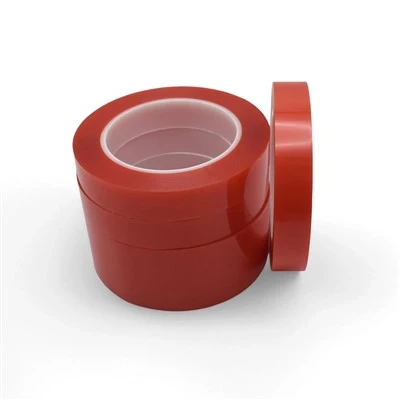
At the end of the day, aluminum foil tape is an amazing product, but it’s not magic. It works great on most surfaces, but glass is finicky. You just have to know the rules: use the right tape, prep the surface properly, and don’t expect it to do something it’s not designed for. If you follow those steps, you can use it on glass for quick fixes, but if you need something permanent, you’re better off calling a pro or investing in the real solution. Don’t let anyone tell you it’s a no-go, and don’t let the cheap stuff ruin your experience—pick the right foil tape, and you’ll be good to go, even on glass.
Aluminum Foil Insulation Tape References:
- ASM International. (2005). Glass Science and Technology: Volume 9, Surface Properties of Glass. ASM International.
- Pressure-Sensitive Tape Council. (2018). Adhesive Bonding to Non-Porous Surfaces: A Guide for Industrial Applicators. Pressure-Sensitive Tape Council.
- U.S. Department of Energy. (2020). Window Sealing and Insulation Best Practices for Residential Buildings. U.S. DOE Office of Energy Efficiency & Renewable Energy.
- International Code Council. (2021). HVAC Duct Sealing Requirements for Energy Efficiency. International Code Council.
Deqing Hongxin New Material Technology Co., Ltd.
As one of the most professional aluminum foil tape manufacturers and suppliers in China, we also support customized service. Please feel free to wholesale high quality aluminum foil tape in stock here from our factory. Welcome to contact us for quotation.
Address: No. 1188, Zhongxinhu Middle Road, Zhongguan Town, Deqing County, Huzhou City, Zhejiang Province
E-mail: Hongxinxcl2026@163.com
WebSite: https://www.hxnewmat.com/
